Crop Loss by Wild Animals Now ₹40,000/Acre: Claim Guide
Tamil Nadu has raised the compensation it pays when wild animals damage crops, coconut and banana trees, houses and cattle. The Environment, Climate Change and Forests Department issued the Government Order on 6 November 2026, and the new rates were reported on 7 November. For crop damage, the limit goes up from ₹25,000 to ₹40,000 per acre.
A higher rate only helps if your claim is cleared without delays. Forest officials check the damage one field at a time, so the land records that link you to your field matter as much as the damage. This guide covers the new rates and the patta and chitta records to check before you file.
New compensation rates at a glance
| Type of loss | Earlier rate | New rate (maximum) |
|---|---|---|
| Crop damage | ₹25,000 per acre | ₹40,000 per acre |
| Coconut tree, up to 1 year old | ₹500 | ₹500 |
| Coconut tree, 1 to 4 years old | ₹500 | ₹1,000 |
| Coconut tree, over 4 years (bearing) | ₹500 | ₹2,000 |
| Banana plant | Not reported | ₹250 per plant |
| Pucca house, fully or severely damaged | ₹95,100 | ₹1.5 lakh |
| House, partly damaged | ₹5,200 | ₹10,000 |
| Milch cattle killed | ₹30,000 | ₹40,000 per animal |
| Minor injury to a person | Not covered | ₹20,000 |
| Serious injury or partial disability | ₹59,100 | ₹5 lakh |
Two points in the order matter most for farmers:
- The crop and house rates are upper limits. You receive the fixed rate or the actual loss assessed by officials, whichever is lower. So ₹40,000 is the most you can get for one acre.
- The order covers damage inside and outside protected areas and reserved forests.
Who can claim, and the one condition
Farmers, landholders and rural families whose crops, trees, houses or cattle are damaged by wild animals can apply. Elephants, wild boars, deer, gaur and peafowl are the animals most often reported raiding farms in districts such as Coimbatore and Dharmapuri.
The order sets one condition: anyone who has broken the Forest Acts or the Wildlife (Protection) Act is not eligible. If you face a case under these laws, ask your Forest Range Office how it affects your claim before you apply.
Why your land records decide how fast you get paid
When a farmer reports damage, forest officials visit the field, count the loss and send a recommendation to the Forest Department for payment. In one Thanjavur case, a farmer whose crop on one acre was destroyed by wild boars got compensation after divisional forest officials inspected the field and recommended it.
To pay the right person for the right field, officials need your name, survey number and land extent to match across your records. If the patta is in someone else’s name or the extent doesn’t match the damaged area, questions come up and payment slows down.
The reports on the new order don’t list the documents needed for a claim. Ask your Forest Range Office for the exact list.
Land records to keep ready before you claim
1. Patta
The patta shows the landholder’s name, the patta number, and the survey and subdivision numbers. Check that the name on it matches your Aadhaar and bank account. You can view patta chitta for free on the Tamil Nadu e-Services portal using your district, taluk, village and survey number.
2. Chitta
The chitta gives the land’s extent and its classification as wet land (nanjai) or dry land (punjai). Officials use the extent to work out the per-acre amount.
3. A-Register and adangal
The A-Register extract shows the survey number’s classification. The adangal is the village account kept by the Village Administrative Officer (VAO), and it records which crop was grown in each season. If your adangal shows the crop you lost, that supports your claim.
4. FMB sketch
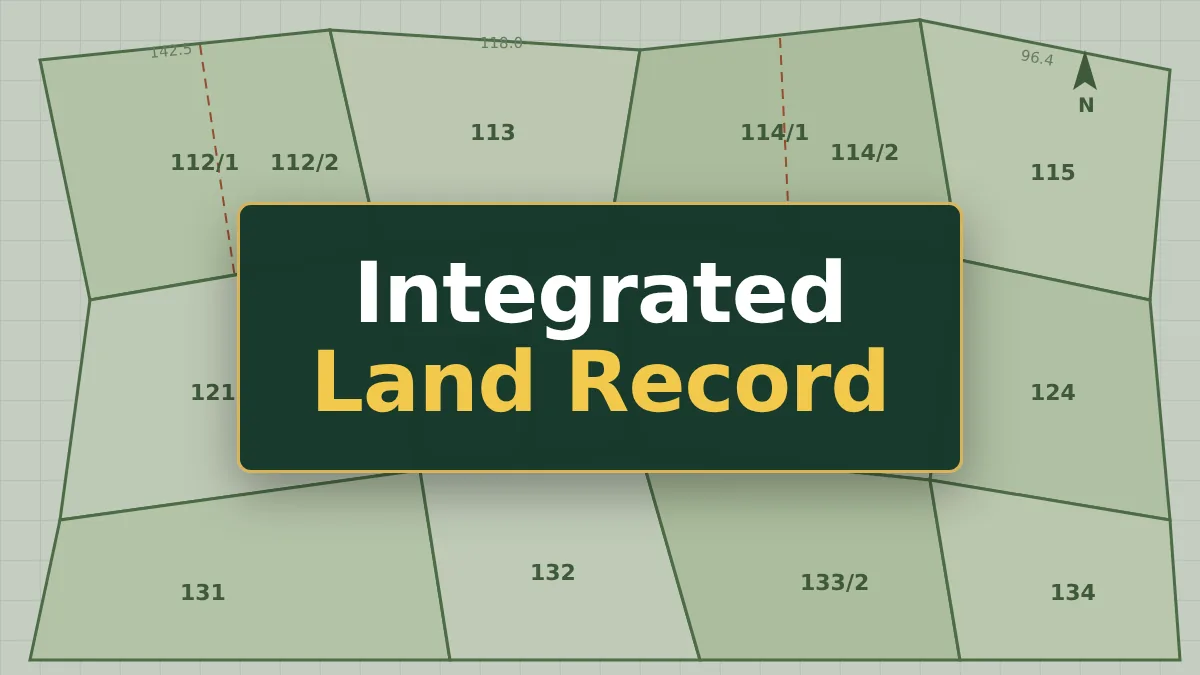
The Field Measurement Book (FMB) sketch shows the shape and boundaries of your field. It helps officials find the exact plot, especially when one survey number is split into subdivisions. Tamil Nadu’s Integrated Land Record now puts the A-Register, patta details and FMB sketch in one PDF, so you can print a single document.
Other papers to keep handy
Keep copies of your Aadhaar and the front page of your bank passbook. Also take clear, dated photos of the damage before you clear the field.
Fix these record problems before you need to claim
- Patta still in a late parent’s name: Apply for a patta transfer to the legal heirs now.
- Extent doesn’t match the field: If your patta shows less land than you actually farm, ask the taluk office to correct it before you claim.
- You farm leased land: The patta shows the owner, not the tenant. Ask the Forest Range Office whether a tenant can claim and what proof of cultivation it accepts.
- Survey number confusion: Check the subdivision number on the FMB sketch so you report damage against the correct plot.
How to report wild animal damage
- Inform the nearest Forest Range Office quickly. Leave the damaged crop as it is until officials have inspected it.
- Join the field inspection. Show officials your patta, chitta and FMB sketch so they can confirm the plot and measure the damaged area.
- Follow up on the recommendation. The assessment goes up the Forest Department for approval and payment. Farmers in Coimbatore district told reporters this year that payments can take months.
Frequently asked questions
Will I get ₹40,000 for every damaged acre?
No. ₹40,000 per acre is the maximum. If officials assess your loss at less, you get the assessed amount.
Does the new rate apply to claims filed before 6 November 2026?
The reports don’t say whether claims filed earlier and still pending get the new rate. Ask your Forest Range Office.
Are coconut trees paid per acre or per tree?
Per tree, by age: ₹500 for trees up to 1 year old, ₹1,000 for 1 to 4 years, and ₹2,000 for bearing trees over 4 years.